
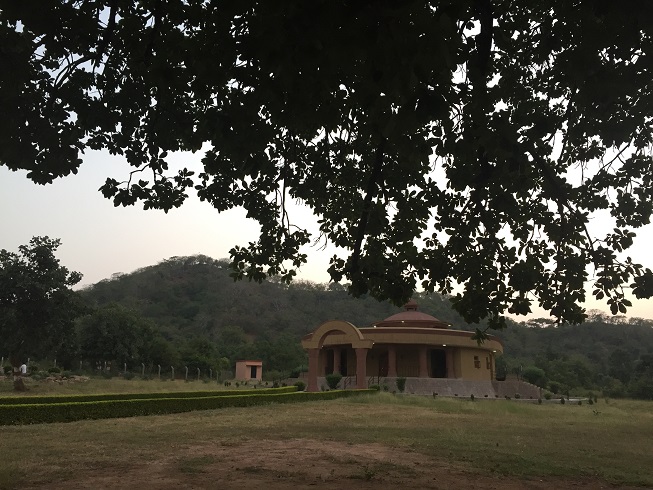
Today we were hiking to the top of this hill, or at least that was the original plan.
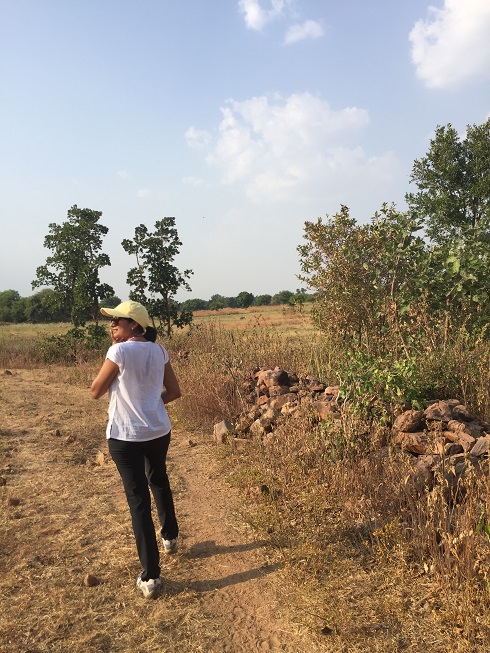
Alat was leading our group and since I was right behind her, I thought this would be a great time to get to know her. I felt like I kind of already knew her having had so many conversations over the years about our kids. I had followed her through college as well as on her trips to Africa through Panditji’s stories.
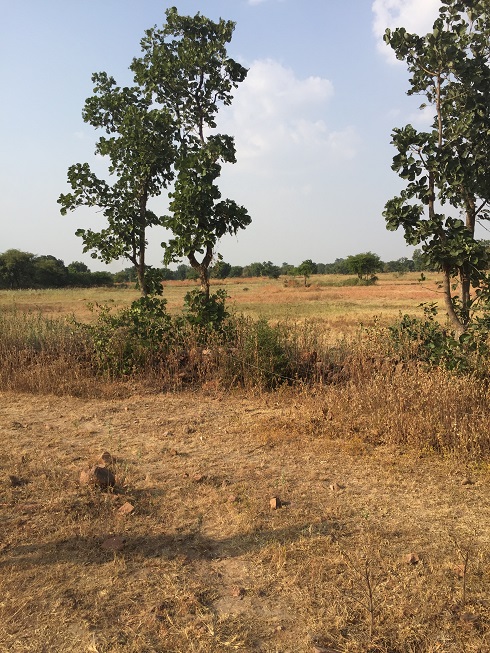
We were outside the Institute’s property which is very nicely fenced in, but outside the fence, property isn’t so definably marked. I was so hot, we decided just to walk the rest of the way around the hill.
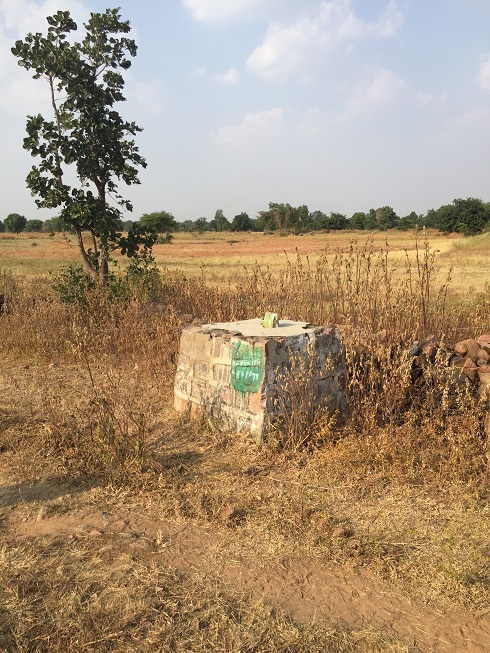
As we walked around the back side of the hill, we missed the actual place where you head up the hill. I felt bad because if I had not been talking so much, Alat would not have missed it. We did get to see this little shrine though.
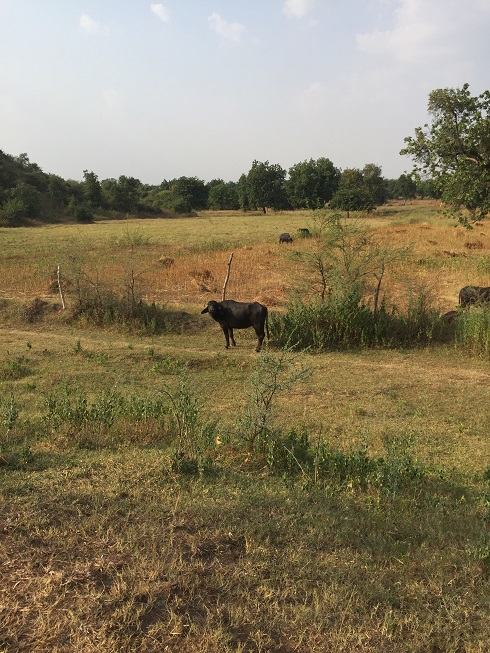
We came upon a couple of water buffalo. I have been told that if you order “beef” in India, chances are almost certain you will be served water buffalo.
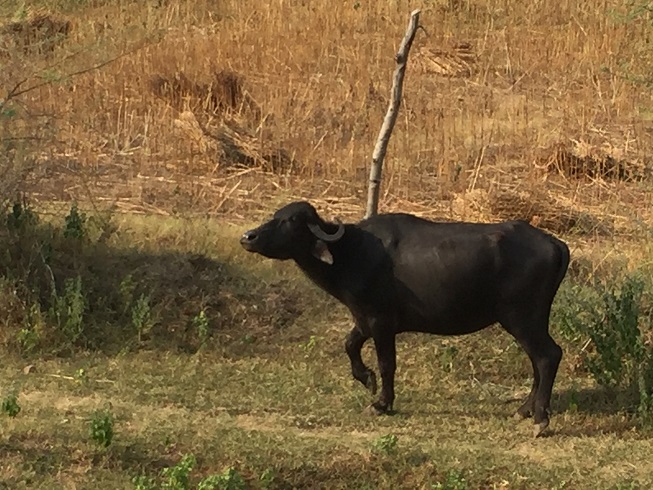
There were a few of them and must have been owned by a nearby farmer.
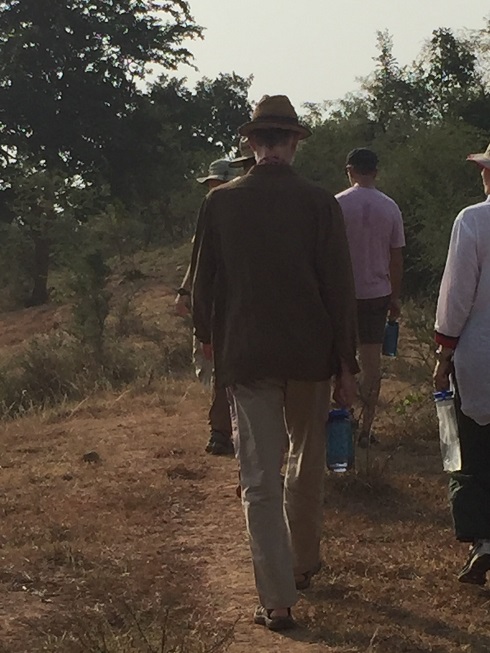
I have learned from this blog that I need to turn around and take pictures of the fronts of people not just the backs (LOL)
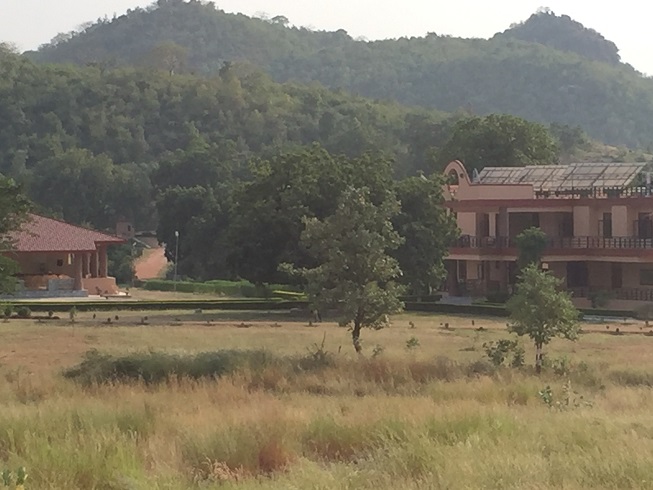
Finally on the other side of the hill we see the ashram. We are glad we are close to home as the heat was getting to all of us. All of a sudden we see a nilgai.
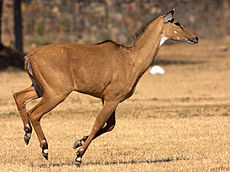
I am not fast enough with my camera to catch him, but this is what one looks like.
The nilgai (Boselaphus tragocamelus), sometimes called nilgau, is the largest Asian antelope. It is one of the most commonly seen wild animals of central and northern India, often seen in farmland or scrub forest. The mature male appears ox-like and is also known as the blue bull. A blue bull is called a nil gai or nilgai in India, from nil meaning blue and gai meaning a bovine animal (literally ‘cow’). It is also present in parts of southern Nepal and eastern Pakistan. The species has become extinct in Bangladesh. It was known as the nilghor (nil = blue, ghor = horse) during the rule of Aurangzeb in the Mughal era. (Wikipedia)
We did not make it to the top of the hill that day, but a couple of days later we set out again.
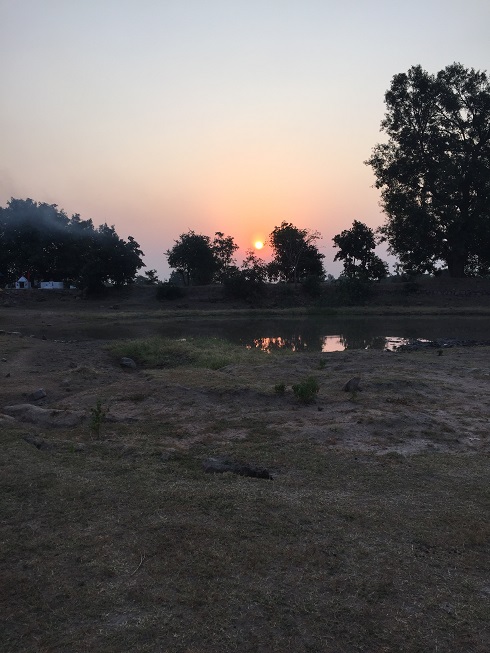
This time it was early morning, we wanted to go while it was still not smoldering hot!
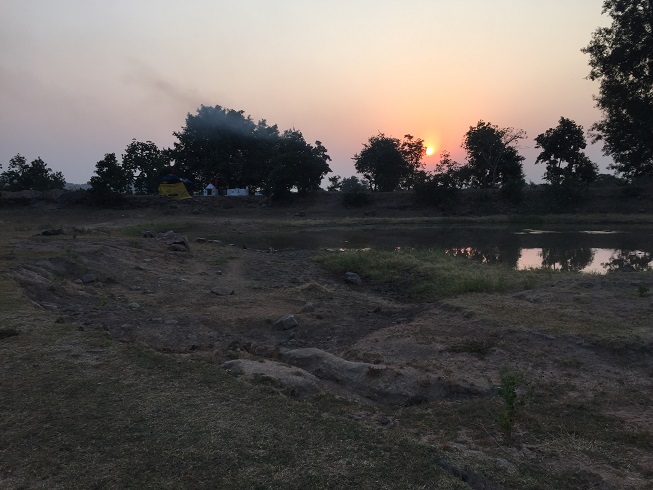
We headed out the gates and onto a trail that would take us to the backside of the mountain where the white steps were that marked the trail.
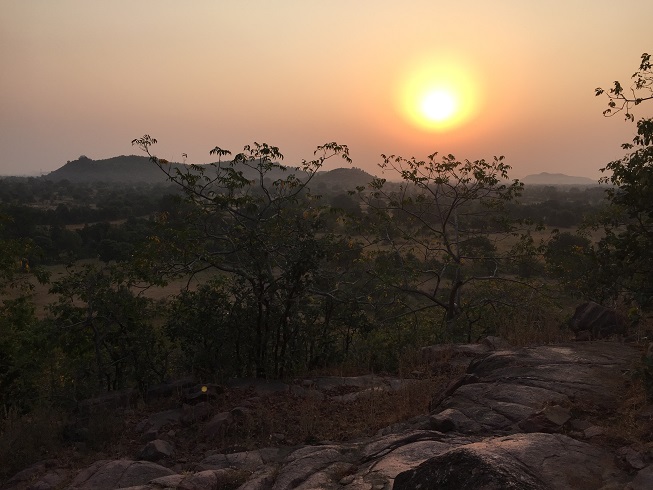
The sun was just beautiful. I have never been able to take a picture of the sun like this before
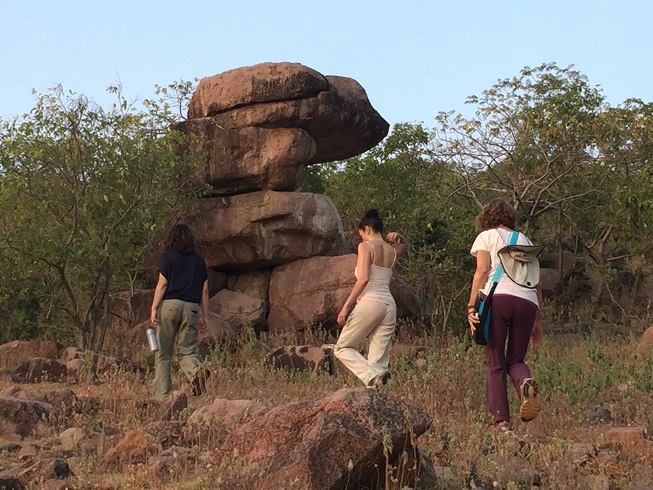
The trail was dry and the bushes sticky, I should have worn my hiking pants!
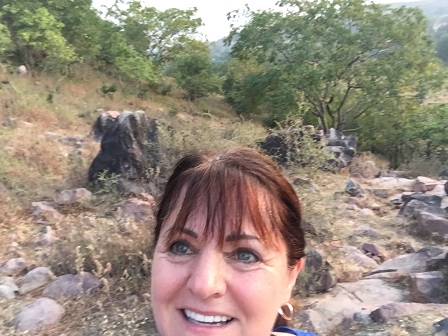
Tried to take a selfie…
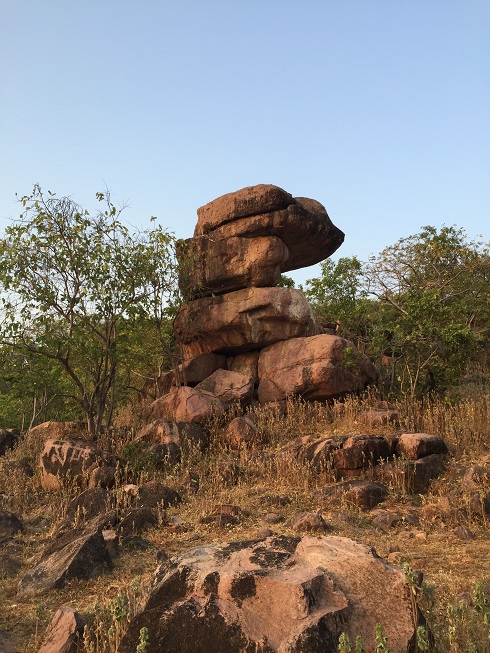
I always wonder how this happens!
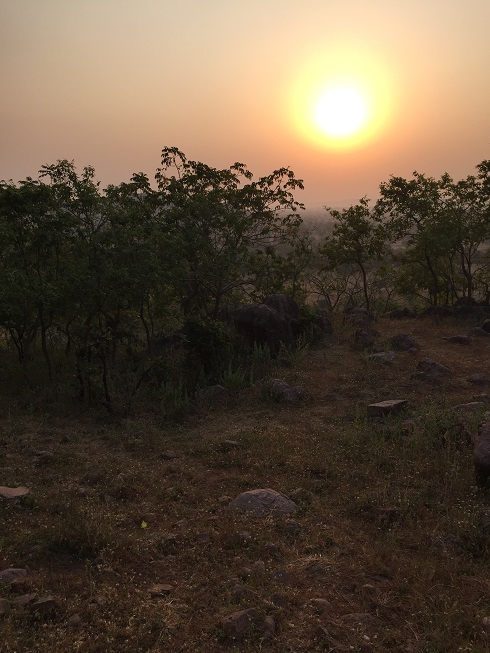
Playing with my camera and the settings on the way up
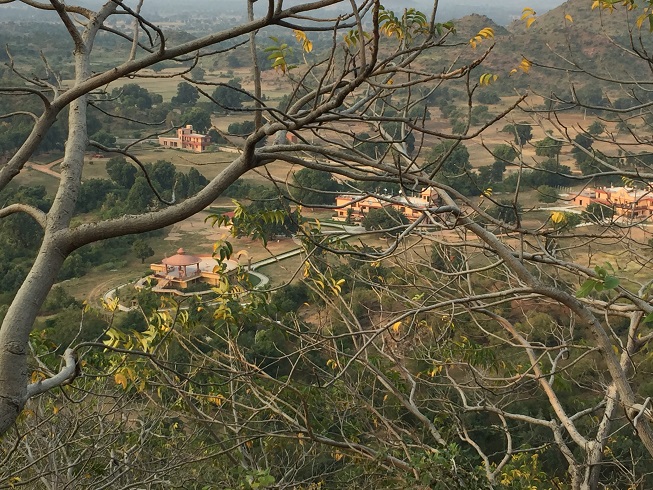
At the top the view is magnificent! You can see the entire Himalayan Institute Campus
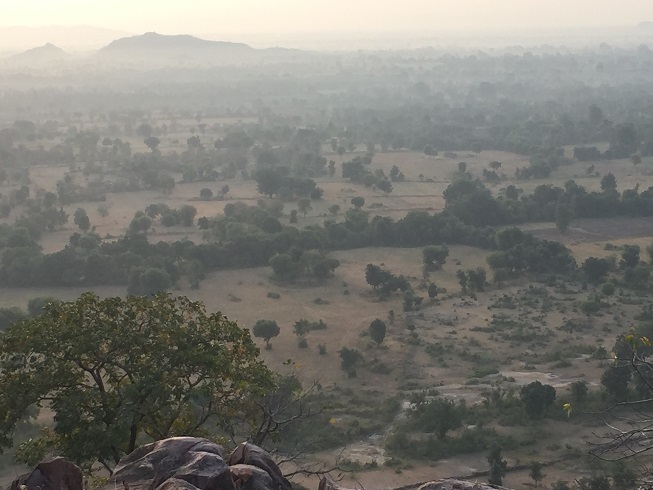
Looking off the other side of the hill into the valley
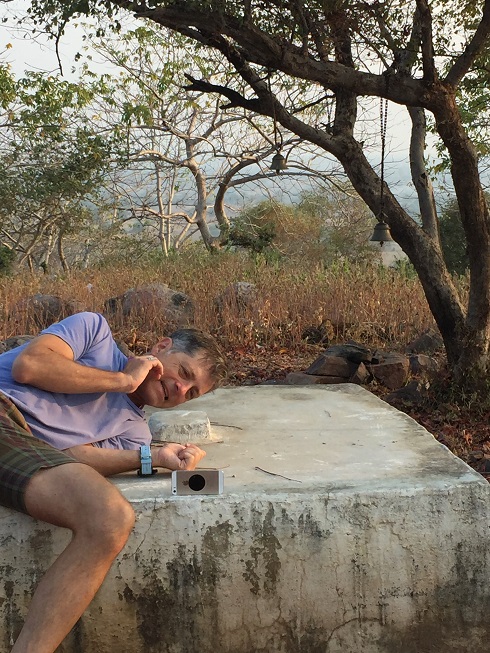
Mark attempts to set the timer on his camera to get a picture of us all (don’t know if he was supposed to be using a shrine for that…oops!)
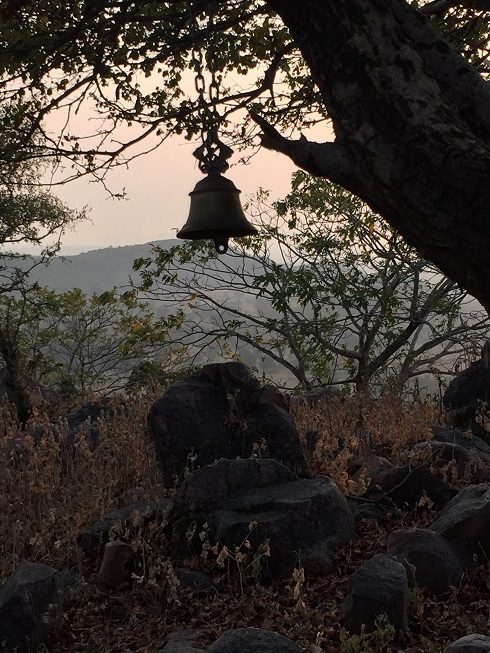
As I have mentioned before, around shrines and temples are bells. These hung from the trees.
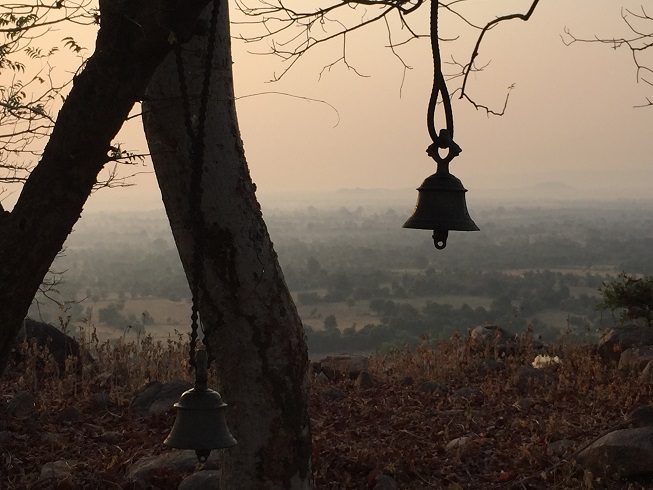
One of my favorite shots of the entire trip!
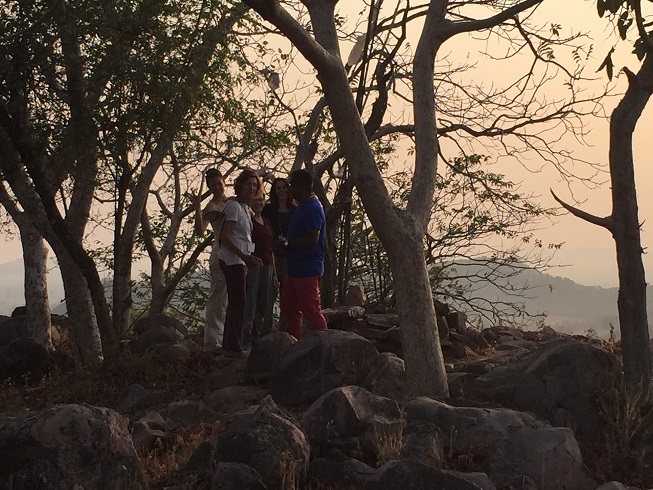
The gang having a discussion. It looks as if they are plotting something?
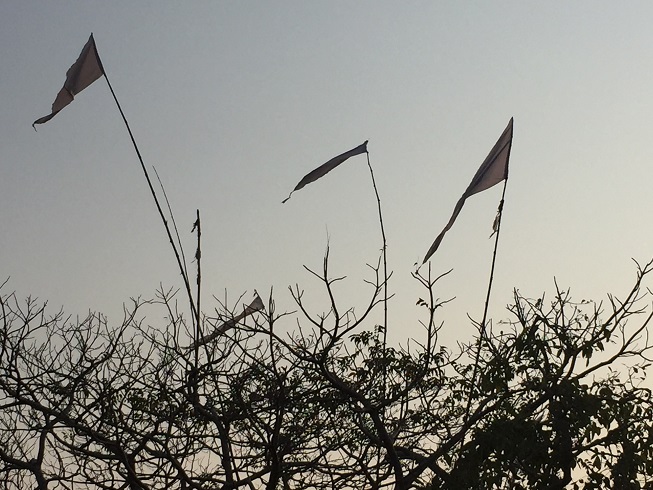
Like at the top of Mt. Everest….lots of flags
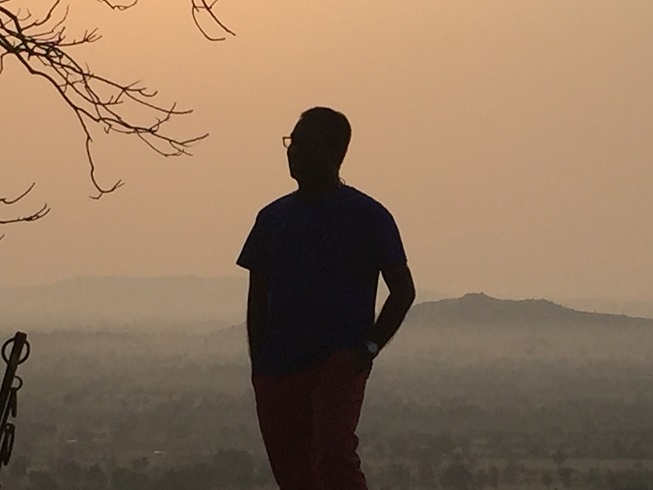
Navin enjoying the view,
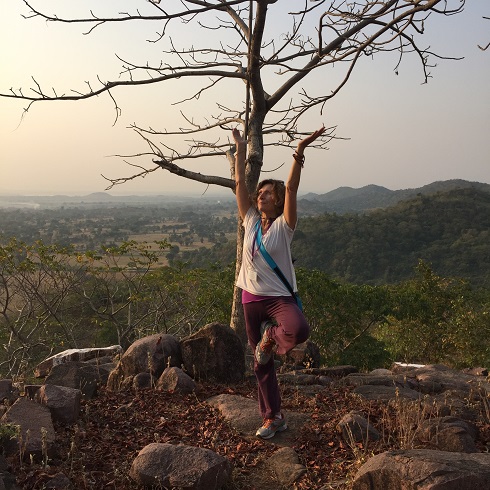
Donna just being a Tree pose
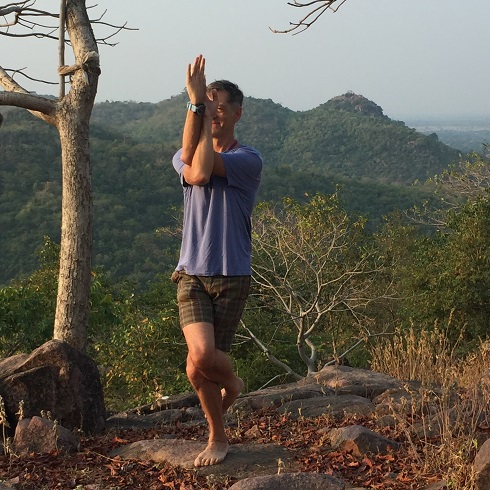
Mark in Eagle pose
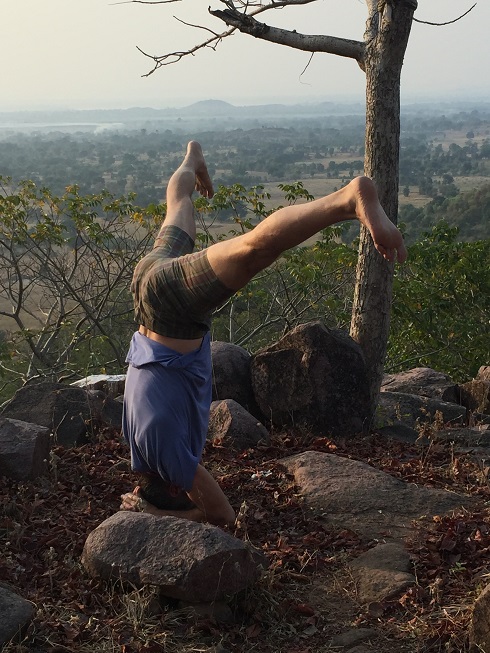
And then just playing around
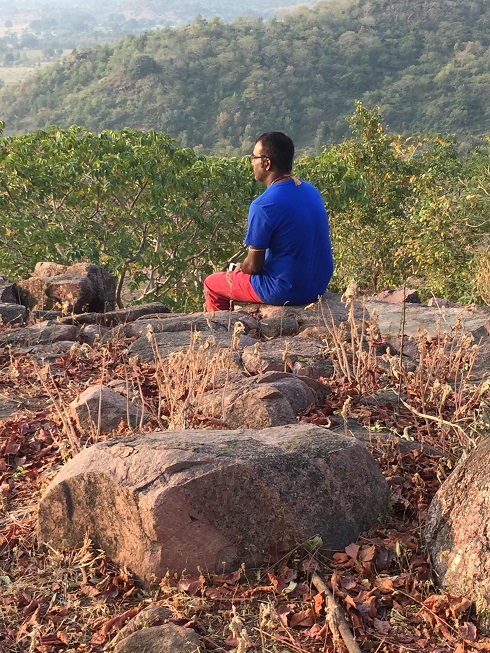
Navin taking a few to just be
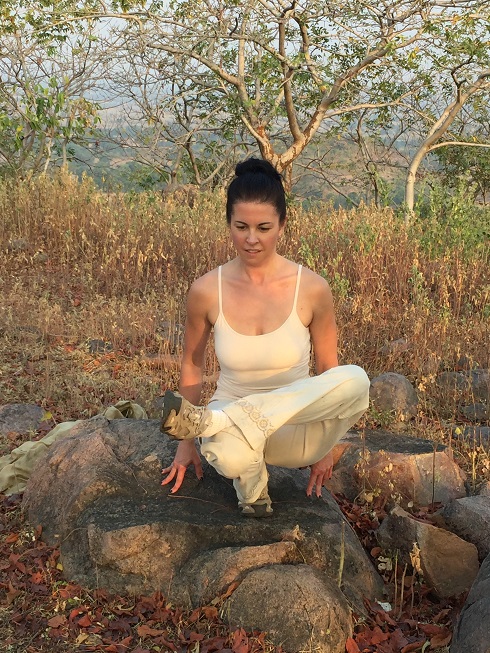
One last amazing balancing pose done with such skill before we head back down the hill
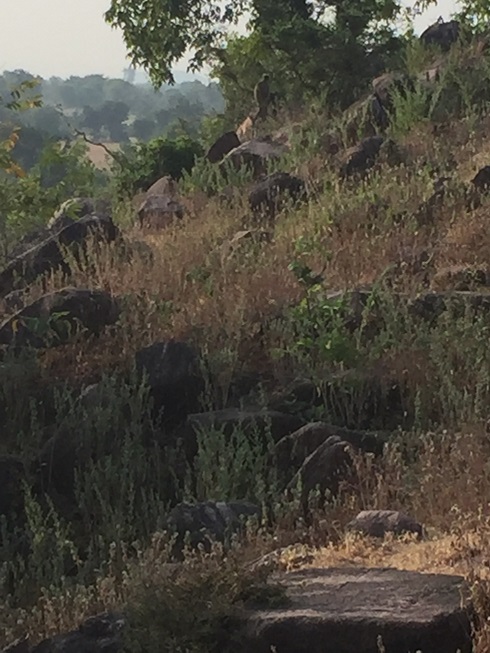
Very poor picture of a monkey in the center top…looks more like a hawk!
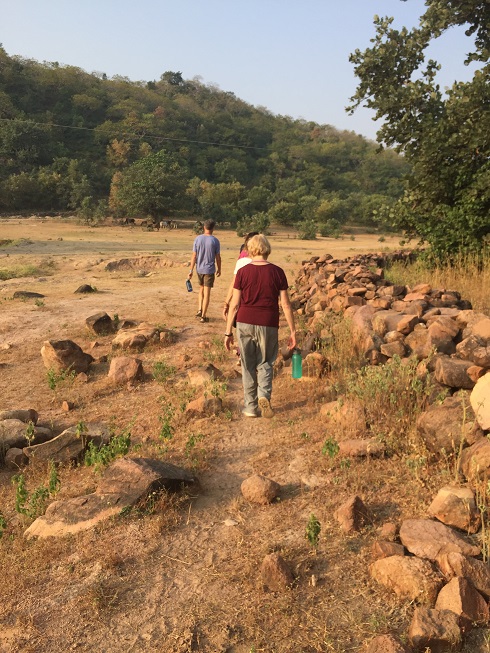
And finally down the hill and heading back to eat breakfast…an amazing morning!
Thanks for reading and sharing with your friends and the great feedback and comments. Next blog will be the last couple of days at the Institute and then off to the Varanasi, stay tuned.
Namaste, Peggy